
What Are the Differences Between Snoring and Obstructive Sleep Apnea
September 8, 2026
Call us — (337) 406-1110
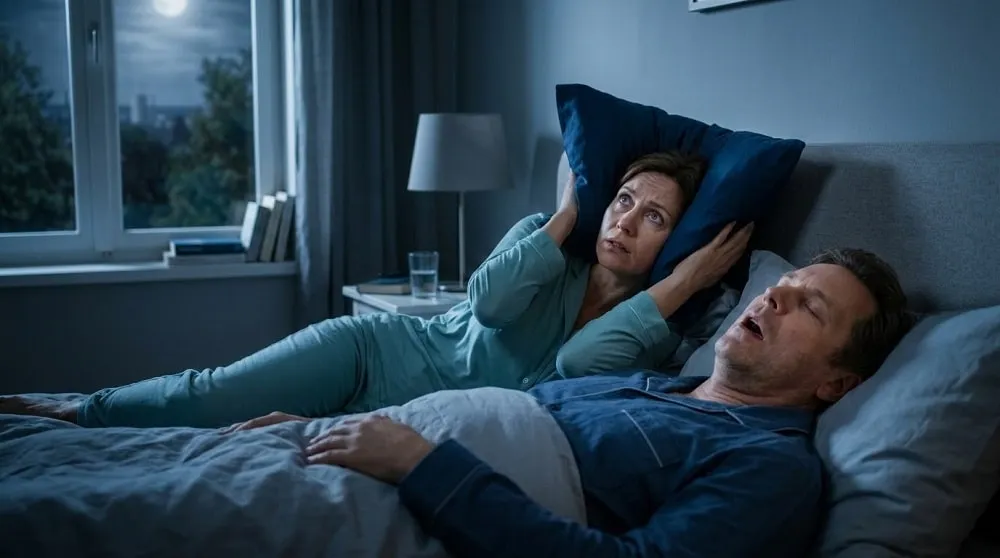
A noisy night of sleep may seem like a harmless annoyance, but persistent snoring can sometimes point to an underlying problem with the way you breathe while sleeping. From a dental perspective, understanding what is happening in the mouth and airway can be an important part of recognizing potential sleep-related breathing concerns. Getting to the route of the problem can make everyone in your home much happier and healthier.
When looking at snoring vs sleep apnea, the two conditions can sound similar but are not necessarily the same. Snoring occurs when tissues in the airway vibrate as you breathe, while obstructive sleep apnea involves repeated interruptions in breathing during sleep. At Dental Artistry in Lafayette, our dental team understands the connection between oral health and quality sleep. Recognizing the difference can help you determine when it may be time to discuss your symptoms with our experts.
Table of Contents
- Understanding the difference between snoring and sleep apnea and why it matters.
- Recognizing symptoms that may point to sleep apnea and when they deserve attention.
- Understanding what can contribute to snoring and sleep apnea during sleep.
- Learning why proper evaluation matters when sleep apnea is suspected.
- Exploring treatment options that fit your individual needs and health goals.
Snoring Vs. Sleep Apnea
Snoring is common, and it does not always mean something is wrong. It happens when air moves through a narrowed airway. This causes the surrounding tissues to vibrate. While it can disrupt your sleep (or your partners) it may simply be an occasional nuisance.
Obstructive sleep apnea is more concerning. The airway actually becomes blocked during sleep. This can cause breathing to stop and restart repeatedly throughout the night, sometimes without the person realizing it. Unlike ordinary snoring, sleep apnea can affect how much oxygen reaches the body and interfere with restorative sleep that is imperative for your overall health.
Understanding snoring vs. sleep apnea is an important first step when evaluating nighttime breathing. Dentists look for factors involving the mouth and airway that may contribute to these concerns. At Dental Artistry in Lafayette, we can help identify signs that may warrant further evaluation.
If sleep apnea is suspected, a medical evaluation may be recommended. A proper diagnosis helps ensure that any treatment addresses the underlying breathing problem rather than simply masking the symptoms.
Comparing Symptoms Of Snoring and Sleep Apnea
Sounds and sensations associated with sleep can provide helpful clues about what is happening with your breathing at night. Occasional snoring is usually less concerning, while certain symptoms may suggest that your airway is repeatedly becoming blocked during sleep. This is something that should never be ignored.
| Symptom | Ordinary snoring | Obstructive sleep apnea |
| Loud snoring | Common, especially when sleeping on your back. | Often loud and persistent. |
| Breathing pauses | Not typically present. | A common warning sign during sleep. |
| Gasping | Unusual with simple snoring. | May occur when breathing resumes. |
| Daytime fatigue | Less likely to cause significant tiredness. | Can leave you feeling tired during the day. |
| Morning headaches | Not usually associated with snoring alone. | May occur after a night of disrupted breathing. |
| Disrupted sleep | Can disturb your sleep or your partner’s. | Often causes repeated sleep interruptions. |
These symptoms are worth discussing if they occur regularly. Evaluating the oral structures and airway can be an important part of understanding potential sleep-related breathing concerns.
Factors That Impact Quality Sleep
Several factors can affect how snoring and sleep apnea develop and how they should be evaluated. Sleep position is one of the first considerations. Sleeping on your back can allow the airway to narrow more easily, which may make snoring or breathing interruptions worse than other positions.
Airway anatomy also matters. The size and shape of the jaw, tongue, throat, and other oral structures can influence how freely air moves during sleep. Lifestyle and overall health can also play a role. Our Lafayette dentist considers the bigger picture rather than focusing on one symptom.
When evaluating snoring vs sleep apnea, treatment should be based on the individual rather than a one size fits all approach. A dental professional may assess oral and airway factors and recommend additional evaluation and intervention techniques when appropriate.
Cost can also influence treatment decisions. Understanding available options and their potential expenses can help patients choose an approach that fits their needs and long-term lifestyle habits.
Proper Dental Evaluation Makes A Difference
Getting the right evaluation is an important first step because sleep concerns can vary from one person to another. Dental Artistry in Lafayette evaluates your mouth and airway when considering whether an oral appliance may be appropriate.
Treatment should also fit your needs. A custom oral appliance may help reposition the jaw and tongue to support a more open airway, while its discreet design can make it easier to incorporate into your sleeping environment and daily lifestyle. For more complex cases, Dental Artistry can work with sleep physicians and other healthcare professionals to develop personalized care. This collaborative approach helps ensure treatment supports your long-term overall health.
Get Help With Your Sleep Concerns
If you are concerned about snoring or possible sleep apnea, Dental Artistry in Lafayette can help you explore the right next steps. As your family dentist in Lafayette, our team can evaluate your oral and airway health and discuss personalized treatment options.
Frequently Asked Questions
What is the difference between snoring vs. sleep apnea?
Snoring involves airway vibrations, while sleep apnea involves repeated interruptions in breathing during sleep.
Can a dentist help with sleep apnea?
Yes. A dentist can evaluate oral and airway factors and may provide an oral appliance when appropriate.
Is snoring always a sign of sleep apnea?
Snoring does not always indicate sleep apnea, but persistent or disruptive snoring is worth discussing with a healthcare professional.